
Reloading Ammunition: Why More Shooters Are Handloading Their Own Rounds
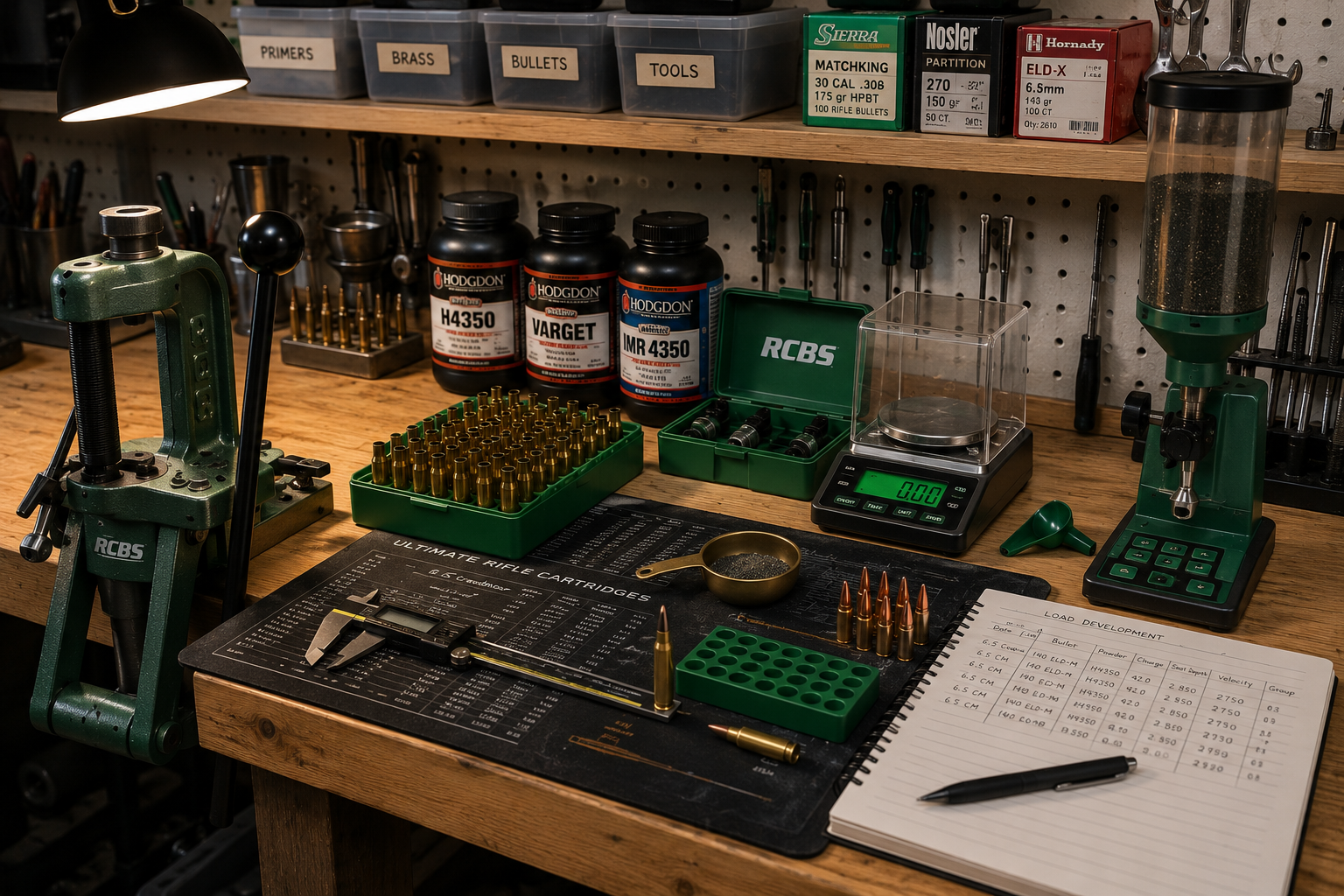
For many shooters, reloading ammunition starts as a way to save money. But for others, it quickly becomes a hobby in its own right — one that offers greater precision, better consistency, and a deeper understanding of shooting performance.
Across the UK, more rifle shooters are turning to handloading to get the most from their firearms, especially as factory ammunition prices continue to rise and component availability fluctuates.
Whether you shoot long-range precision, deer stalk, compete regularly, or simply enjoy range days, reloading can completely change how you approach shooting.
What Is Reloading?
Reloading (or handloading) is the process of assembling your own ammunition using separate components.
A typical rifle cartridge consists of:
- A brass case
- Primer
- Powder
- Bullet
Rather than buying factory ammunition, reloaders reuse fired brass and assemble new cartridges using specialised equipment such as presses, dies, powder scales, and case preparation tools.
The process allows shooters to tailor ammunition specifically to their rifle.
Why Shooters Reload
Every rifle behaves differently.
Factory ammunition is designed to work safely across thousands of rifles, but handloaded ammunition can be tuned for:
- Accuracy
- Velocity
- Recoil
- Barrel performance
- Specific bullet types
- Consistency
Precision shooters often find that carefully developed reloads outperform most factory ammunition.
Cost Savings — But Not Always Immediately
One of the most common reasons shooters begin reloading is cost.
For popular calibres such as:
- .223 Remington
- .308 Winchester
- 6.5 Creedmoor
…reloading can significantly reduce the long-term cost per round.
However, there’s an important catch: initial setup costs can be high.
A basic reloading setup may include:
- Press
- Dies
- Powder scale
- Calipers
- Priming tools
- Case trimmer
- Cleaning equipment
Many reloaders eventually discover the hobby becomes less about saving money and more about shooting higher-quality ammunition for the same budget.
Accuracy and Load Development
This is where reloading becomes addictive for many shooters.
Load development involves carefully testing combinations of:
- Powder type
- Powder charge
- Bullet seating depth
- Bullet weight
- Primer choice
The goal is to find the most accurate and consistent load for a particular rifle.
Small changes can dramatically affect:
- Group size
- Velocity spread
- Barrel harmonics
- Pressure levels
Long-range and competition shooters often spend significant time refining loads to achieve maximum consistency.
Reloading Requires Discipline
Reloading is not something to rush.
Unlike factory ammunition, the responsibility for safety rests entirely with the reloader. Mistakes involving powder charges or incorrect components can be dangerous.
Safe reloaders follow published load data carefully and maintain detailed records of:
- Powder charges
- Cartridge overall length
- Velocities
- Pressure signs
- Accuracy results
Consistency and attention to detail are critical.
Why Record Keeping Matters
Most experienced reloaders keep detailed logs for every load they develop.
Without proper records, it becomes difficult to remember:
- Which load performed best
- Which brass has been reused multiple times
- Velocity data from previous sessions
- Safe pressure limits already tested
This is one area where digital tools are becoming increasingly useful.
Instead of paper notebooks or spreadsheets, many shooters now track:
- Reload recipes
- Brass life cycles
- Chronograph data
- Group sizes
- Round counts
- Rifle-specific load performance
Having all this information searchable and organised makes load development far easier over time.
Component Availability and Modern Reloading
Recent years have shown how unpredictable ammunition supply can become.
Shortages of:
- Primers
- Powder
- Brass
- Factory ammunition
…have encouraged more shooters to start handloading so they can maintain a consistent supply of ammunition for training and competition.
Reloaders who maintain organised inventories are often far better prepared when supplies become difficult to source.
Is Reloading Worth It?
For many shooters, absolutely.
Reloading offers:
- Better accuracy potential
- Greater ammunition consistency
- More control over performance
- Long-term cost benefits
- A deeper understanding of ballistics and shooting
But it also requires:
- Time
- Patience
- Attention to detail
- Safe working practices
For shooters who enjoy the technical side of firearms, reloading often becomes just as enjoyable as shooting itself.
Final Thoughts
Reloading is more than simply making ammunition — it’s about precision, consistency, and understanding how your rifle performs.
As more shooters move toward data-driven shooting and performance tracking, organised record keeping is becoming increasingly important. Tracking load data, brass usage, round counts, and performance history digitally can save huge amounts of time and help shooters develop safer and more accurate loads over the long term.
For modern shooters, reloading and digital rifle management increasingly go hand in hand.